
We trusted them so much, we brought them into our next big venture.
Ontik turned our vision into a modern, high-impact brand. Their team is agile, transparent, and deeply committed. The trust they’ve earned speaks for itself.

Case study — Onguard
Ontik built it with UNC Chapel Hill so a plain text message is enough.

Missed appointments often come down to access, not intent. Ontik partnered with UNC Chapel Hill to build an SMS first appointment platform on a telecom agnostic API, with toll free access that costs users nothing to use.
80%
Positive in study
20
Study participants
Onguard is an appointment management platform developed with researchers at UNC Chapel Hill. It is designed for people who may not have reliable data plans or smartphones, and for care providers who need a simple, dependable way to reach them before an appointment, whatever phone they own.
Apps assume a smartphone, a data plan and a habit of checking notifications. The people Onguard serves often have none of these, and a reminder that never arrives is as good as no reminder.
Delivery had to be dependable across carriers, cost the user nothing, and fit how providers already keep their contacts. The research partnership also meant the design had to be proven with real users, not assumed.
Reach mattered as much as design. Network behavior differs between carriers and bands, so the platform needed deliberate telecom engineering, not just a messaging API dropped on top of an app, because every failed delivery meant a patient who never heard about their appointment.
If the user has to pay, install or sign in to get a reminder, the reminder has already failed. Access is the whole product, and everything else follows from it.
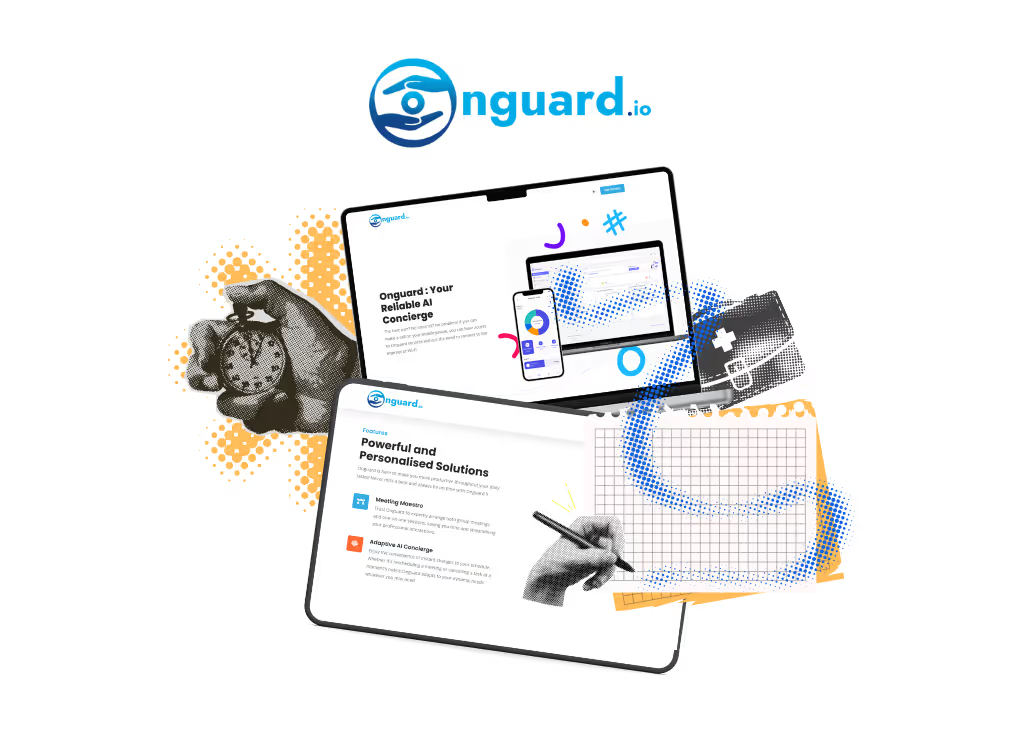
Ontik built a telecom first architecture around a carrier agnostic REST API and an SMS gateway tuned for 4G LTE Bands B1 and B3. Toll free messaging means users pay nothing, and Google Contacts integration lets providers reach patients from the address book they already use. A usability study with 20 participants validated the design, with 80% responding positively.
All Technologies Used.
Ontik helped Onguard achieve:
Ontik designed around the user's real constraints rather than the usual app assumptions, and the study results show the approach works.
Case study — Onguard
Ontik built it with UNC Chapel Hill so a plain text message is enough.
80%
Positive in study
20
Study participants
Missed appointments often come down to access, not intent. Ontik partnered with UNC Chapel Hill to build an SMS first appointment platform on a telecom agnostic API, with toll free access that costs users nothing to use.
Onguard is an appointment management platform developed with researchers at UNC Chapel Hill. It is designed for people who may not have reliable data plans or smartphones, and for care providers who need a simple, dependable way to reach them before an appointment, whatever phone they own.
If the user has to pay, install or sign in to get a reminder, the reminder has already failed. Access is the whole product, and everything else follows from it.
Apps assume a smartphone, a data plan and a habit of checking notifications. The people Onguard serves often have none of these, and a reminder that never arrives is as good as no reminder.
Delivery had to be dependable across carriers, cost the user nothing, and fit how providers already keep their contacts. The research partnership also meant the design had to be proven with real users, not assumed.
Reach mattered as much as design. Network behavior differs between carriers and bands, so the platform needed deliberate telecom engineering, not just a messaging API dropped on top of an app, because every failed delivery meant a patient who never heard about their appointment.
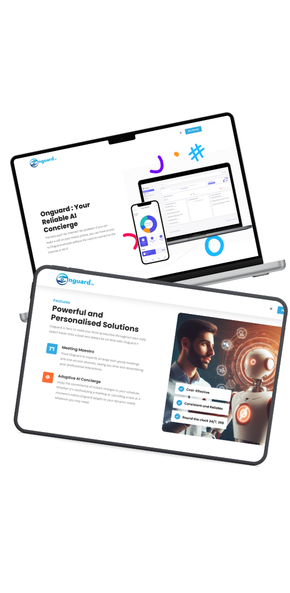
Ontik built a telecom first architecture around a carrier agnostic REST API and an SMS gateway tuned for 4G LTE Bands B1 and B3. Toll free messaging means users pay nothing, and Google Contacts integration lets providers reach patients from the address book they already use. A usability study with 20 participants validated the design, with 80% responding positively.
All Technologies Used.
Ontik helped Onguard achieve:
Ontik designed around the user's real constraints rather than the usual app assumptions, and the study results show the approach works.
Ontik turned our vision into a modern, high-impact brand. Their team is agile, transparent, and deeply committed. The trust they’ve earned speaks for itself.
We didn’t have to think about design, development, or tech stack. Ontik did everything. Our MVP is now live, generating revenue and real traction.


Three things set them apart: technical expertise, customer-focused delivery, and fresh ideas. They consistently add value beyond expectations.


As a non-technical first-time founder, Ontik helped me confidently build a prototype I could present. Transparent, professional, and client-focused throughout.

We’re already on track to finish development in just a few months. Chippit is now the top trending app on Google Play in Australia.

Visiting Ontik’s office, I was impressed by the team’s curiosity, professionalism, and drive to build meaningful solutions. A culture built on excellence and growth.

Our talks on custom technology, global talent mobility, and cross-border innovation opened exciting possibilities. Their forward-thinking vision stood out.

Our real-time real estate betting platform needed sharp UX and reliability during live auctions. Ontik delivered fast, communicated clearly, and kept our vision intact.